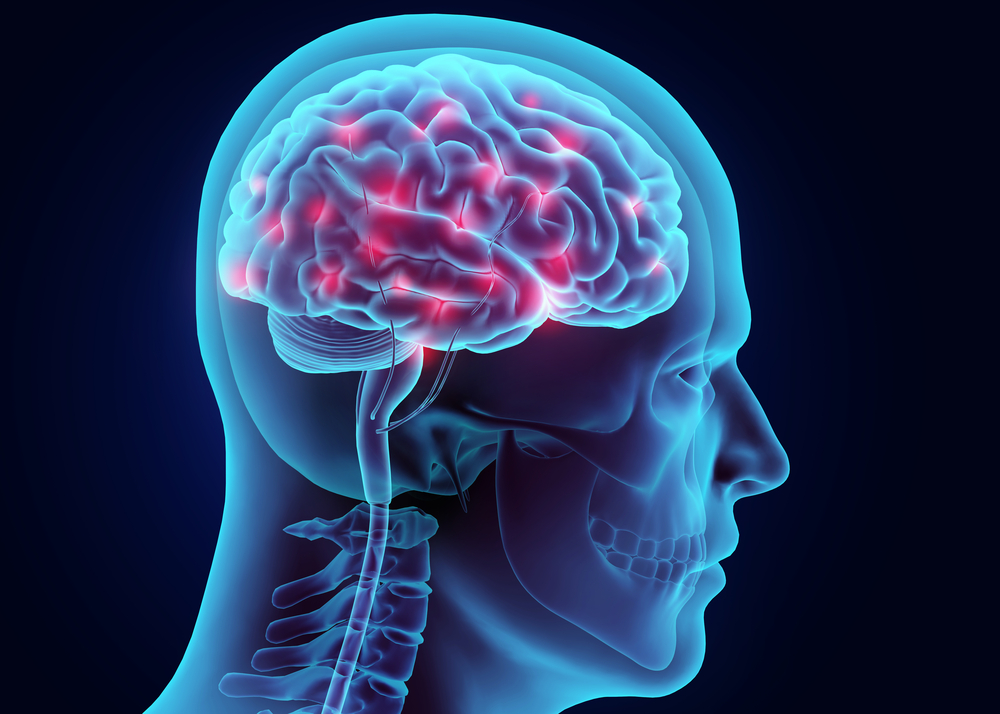



ADHD, Sensory Sensitivity in Children and the Role of Nutrition: How Comprehensive Support Can Help
ADHD in children is often associated mainly with attention, impulsivity or hyperactivity. However, many children may also experience difficulties with sensory processing. This means that a child may react more strongly to noise, light, certain types of clothing, touch, smells or busy environments.
For parents, this can be challenging, because the child may sometimes react very intensely even to everyday situations. It does not necessarily mean that the child is “misbehaving” or refusing to cooperate on purpose. In many cases, the child’s nervous system simply processes sensory input differently.
Alongside a suitable environment, a regular daily routine and professional support, nutrition may also play an important role. This is why Autisil® Kids was created – a dietary supplement for children designed to help complement the intake of important nutrients in the daily diet.

What are sensory difficulties in children with ADHD?
Children with ADHD may be more sensitive to various stimuli from their surroundings. Some children react strongly to loud sounds, while others may dislike certain fabrics, bright lights or being in crowded places.
Sensory sensitivity may appear in several ways:
- the child is bothered by noise, bright light or busy environments,
- the child has difficulty focusing in the classroom or in a shopping centre,
- the child refuses certain foods because of their texture or smell,
- the child reacts negatively to touch, clothing labels or tight clothes,
- the child may quickly become tired, overwhelmed or restless.
These reactions can affect school, family life and everyday activities. That is why it is important to look for ways to help the child cope better with the environment in which they spend their day.
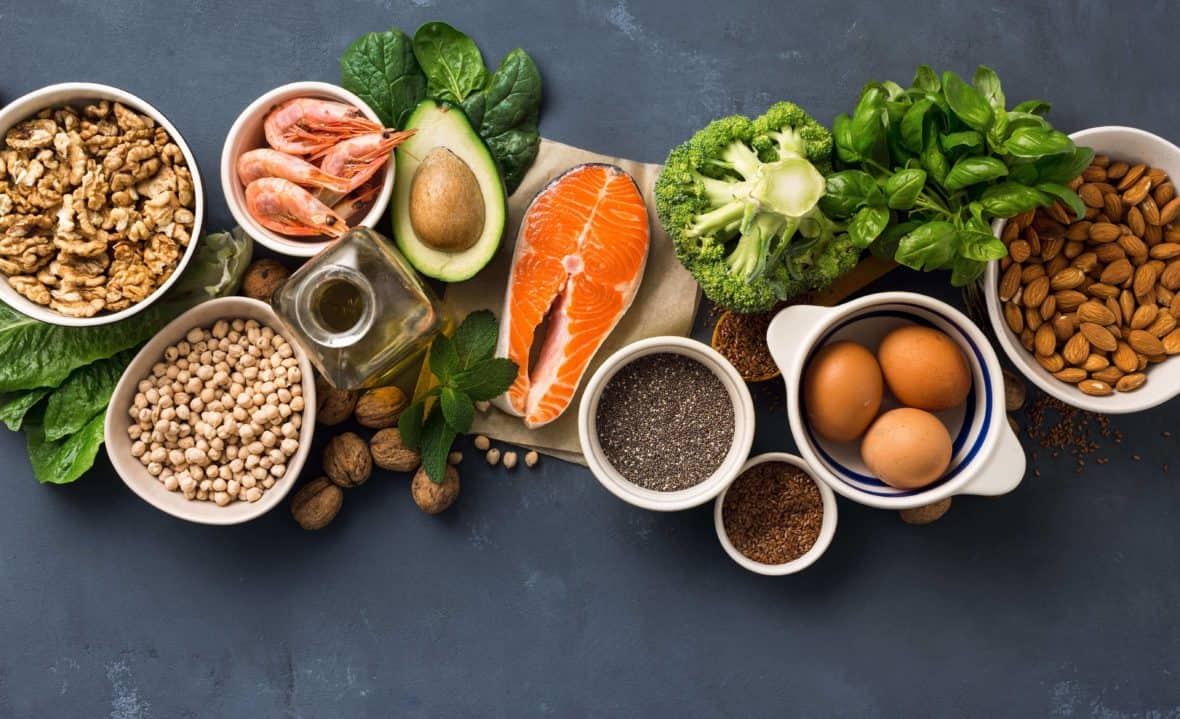
Why is nutrition important?
The brain and nervous system need enough nutrients to function properly. For children who are active, sensitive or easily overwhelmed, a balanced diet can be an important part of overall support.
A varied diet should include enough high-quality foods, such as:
- fruit and vegetables,
- whole grains,
- quality sources of protein,
- healthy fats,
- sufficient fluids.
In real life, however, it is not always easy to ensure that a child regularly receives all the nutrients they need. Some children are picky eaters, refuse new foods or eat only a very limited range of meals. In these situations, it may be useful to consider dietary supplementation.

Autisil® Kids as part of everyday support
Autisil® Kids is a dietary supplement developed for children. It is intended to support a normal diet and is not a replacement for a varied diet or medical treatment.
It may be suitable especially for parents who want to support their child’s regular intake of important nutrients in a practical form. Autisil® Kids can be part of a broader approach that includes nutrition, daily routine, a calm environment, physical activity and, where needed, professional care.
It is important to say that no dietary supplement “treats ADHD” or solves sensory difficulties on its own. However, it can help complement nutrients that the body needs for normal functioning.

What can parents try in everyday life?
For children with sensory sensitivity, a combination of several steps often helps. It is not only about diet, but also about the environment and daily routine.
1. Regular meal routine
Children may be more sensitive to energy fluctuations during the day. Regular meals and snacks containing protein, fibre and healthy fats may help.
2. A quality breakfast
A protein-rich breakfast may help the child manage the morning better. Suitable options may include yoghurt, eggs, cottage cheese, oatmeal or bread with a quality spread.
3. Reducing unnecessary additives
Some children may be more sensitive to highly processed foods, sweets, colourings or preservatives. This does not apply to every child, but for more sensitive children it may be useful to observe how they react to different foods.

4. A calmer environment
If a child does not tolerate noise, bright light or clutter well, a simpler and more predictable environment may help. Sometimes fewer distracting stimuli, softer lighting or short breaks during the day can make a difference.
5. Enough movement and rest
Physical activity helps children release tension and regulate their energy better. Rest, sleep and time without too many stimuli are equally important.
When to seek professional help
If sensory sensitivity significantly affects the child’s everyday life, it is advisable to consult a paediatrician, psychologist, psychiatrist or occupational therapist. A specialist can help identify what the child needs and suggest a suitable approach.
Occupational therapy can be useful especially when the child has difficulties with everyday activities, getting dressed, school tasks, coordination or coping with different types of sensory input.

Nutrition as one part of overall care
Sensory sensitivity in children with ADHD can be challenging for the whole family. The good news is that there are ways to support the child. These include adapting the environment, setting a clear routine, ensuring enough movement, seeking professional support and focusing on quality nutrition.
Autisil® Kids can be a practical part of everyday care if parents are looking for a way to complement important nutrients in their child’s diet.
It is important to proceed sensitively, observe the child’s needs and consult a specialist in case of uncertainty.
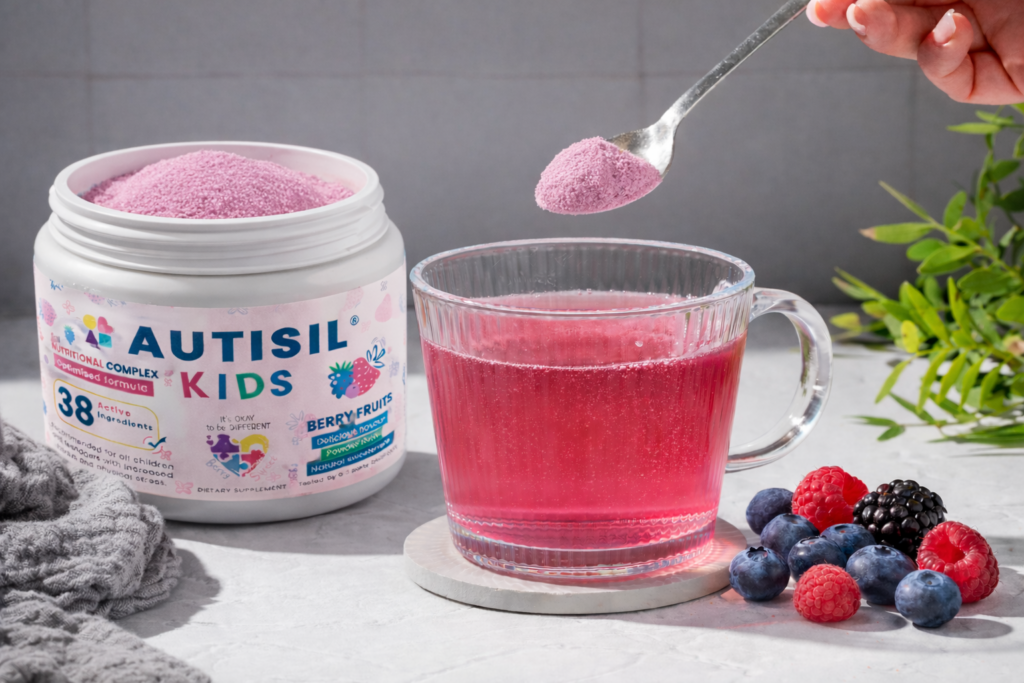
Would you like to support your child’s daily nutrition in a practical way?
Try Autisil® Kids as part of a varied diet and comprehensive care for your child’s well-being.
Sources and further reading
CDC – About ADHD
Basic information about ADHD, symptoms, diagnosis and recommendations for children.
https://www.cdc.gov/adhd/about/index.html
CDC – Treatment of ADHD
An overview of support and treatment options for ADHD in children, including behavioural therapy, medication and a healthy lifestyle.
https://www.cdc.gov/adhd/treatment/index.html
CDC – Protecting the Health of Children with ADHD
Information about healthy habits for children with ADHD, including sleep, physical activity and a balanced diet.
https://www.cdc.gov/adhd/articles/protecting-the-health-of-children.html
Mayo Clinic – ADHD in children: Diagnosis and treatment
An expert overview of ADHD diagnosis and treatment in children, including a mention of the importance of a balanced diet and omega-3 fatty acids.
https://www.mayoclinic.org/diseases-conditions/adhd/diagnosis-treatment/drc-20350895
Ghanizadeh, A. – Sensory Processing Problems in Children with ADHD, a Systematic Review
A systematic review of scientific studies focused on sensory processing problems in children with ADHD.
https://psychiatryinvestigation.org/journal/view.php?number=616&viewtype=pubreader
NCCIH – ADHD and Complementary Health Approaches: What the Science Says
A review of scientific findings on complementary approaches to ADHD, including omega-3 fatty acids.
https://www.nccih.nih.gov/health/providers/digest/adhd-and-complementary-health-approaches-science
EFSA – Health Claims
Information about how health claims for foods and dietary supplements are assessed in the EU.
https://www.efsa.europa.eu/en/safe2eat/health-claims
EFSA – Food Supplements
An overview of dietary supplements in the EU, including the safety of vitamins, minerals and other ingredients.
https://www.efsa.europa.eu/en/topics/topic/food-supplements
European Commission – Nutrition and Health Claims
Official information from the European Commission on the rules for nutrition and health claims for foods and dietary supplements.
https://food.ec.europa.eu/food-safety/labelling-and-nutrition/nutrition-and-health-claims_en
European Commission – EU Register of Health Claims
The official register of authorised and non-authorised health claims in the EU.
https://food.ec.europa.eu/food-safety/labelling-and-nutrition/nutrition-and-health-claims/eu-register-health-claims_en
Your Europe – Food supplements: EU labelling rules
A practical overview of EU labelling rules for dietary supplements. It also states that the presentation, labelling or advertising of supplements must not claim that the product prevents, treats or cures disease.
https://europa.eu/youreurope/business/product-requirements/food-labelling/supplements/index_en.htm
Ministry of Agriculture of the Czech Republic – Health and nutrition claims related to food supplements
A Czech source on nutrition and health claims related to dietary supplements, including information about the prohibition of medicinal claims.
https://mze.gov.cz/public/portal/mze/en/food-industry/food-suplements/related-topics-on-food-supplements/health-and-nutrition-claims-related-to-food-supplements